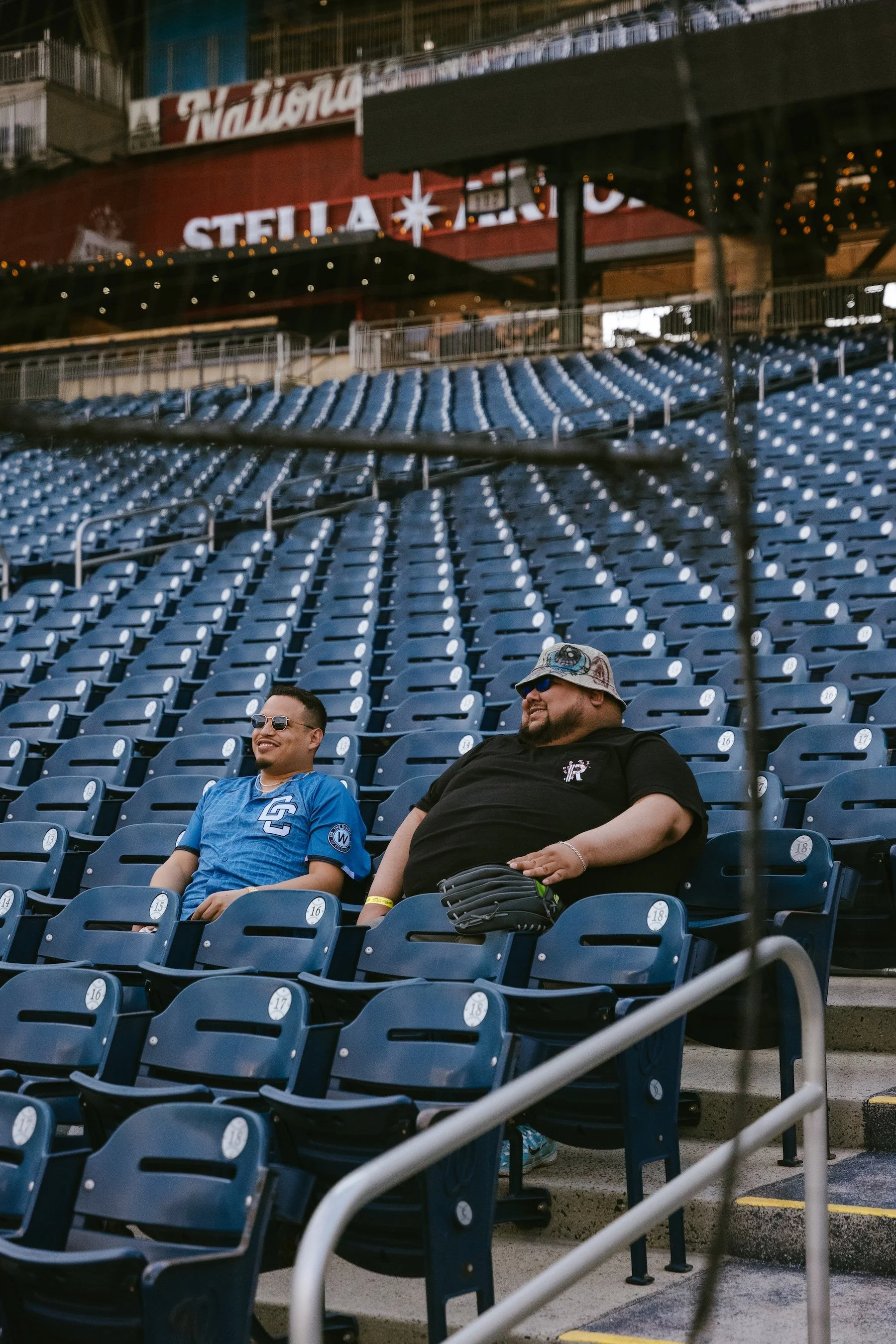
ADOBO is for Everyone
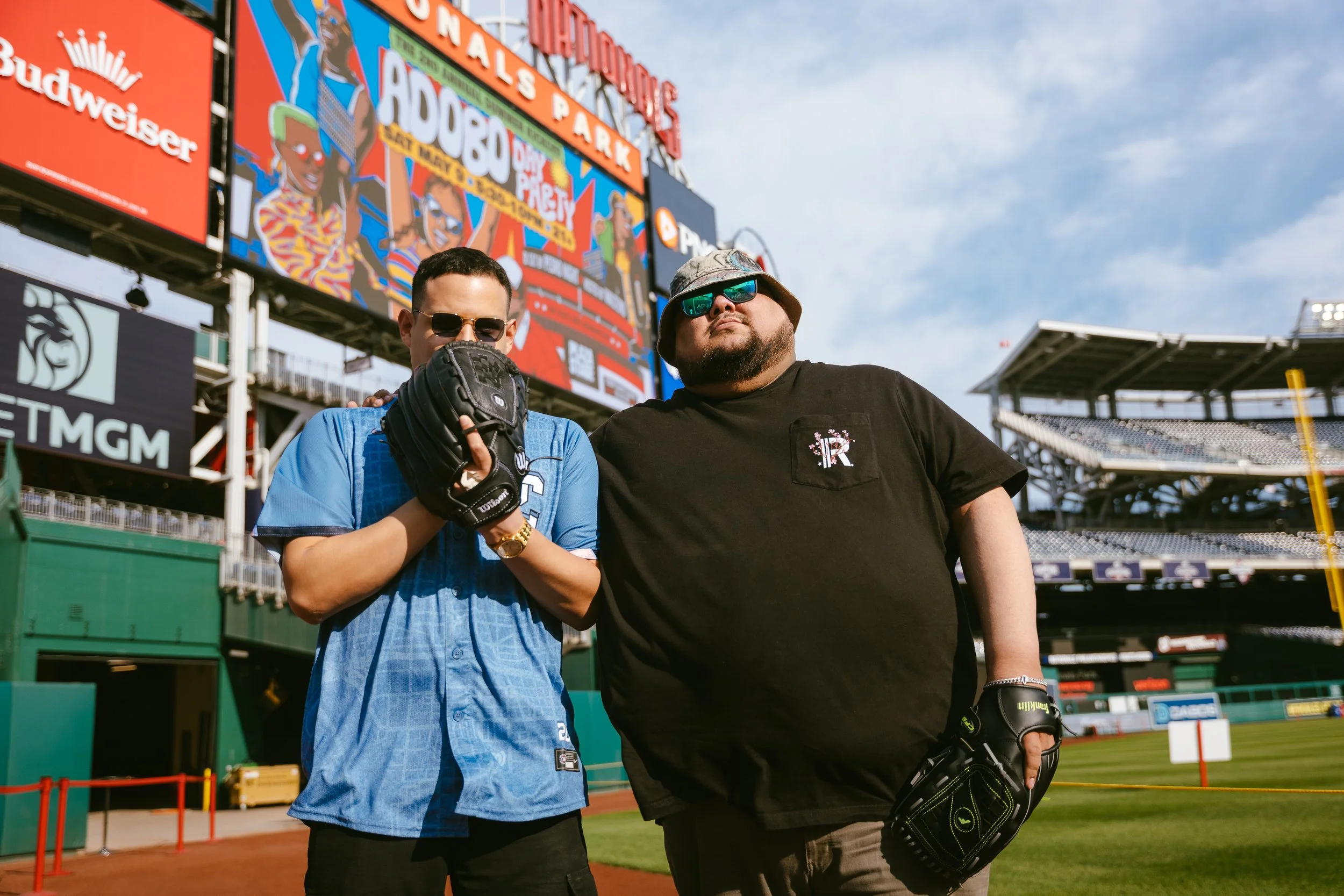
Pedro Night & Waltero photographed by Shaughn Cooper; Contributing Photographer, Tania Hauyon; Photo Editor, Damon J. Barnes
ADOBO continues the upswing from selling out award-winning D.C. venues to throwing day parties at Nationals Park’s Plaza Stage all summer long.
Joy is an Act of Resistance. With rising tensions and so much at stake, this phrase, like the term “self-care” might cause the most militant of us to roll our eyes. But in doing so, we disrespect the origins of these concepts. Despite what the dilution of these phrases by the general media has made us think, radical joy and self-care are not to be dismissed as escapist forms of self-servitude. They must be remembered and practiced in the context of the revolutionary minds and works that they came from. During their struggles for liberation, Black American writers, Toi Derricotte and Audre Lorde coined the terms “joy is an act of resistance" and “self-care” respectively. As Lorde explained, “Caring for myself is not self-indulgence, it is self-preservation, and that is an act of political warfare.” In Derricotte’s case, her joy is contextualized by the 500 hundred years of suffering Black people have endured as explained in her grief poem, “Joy is an Act of Resistance”.
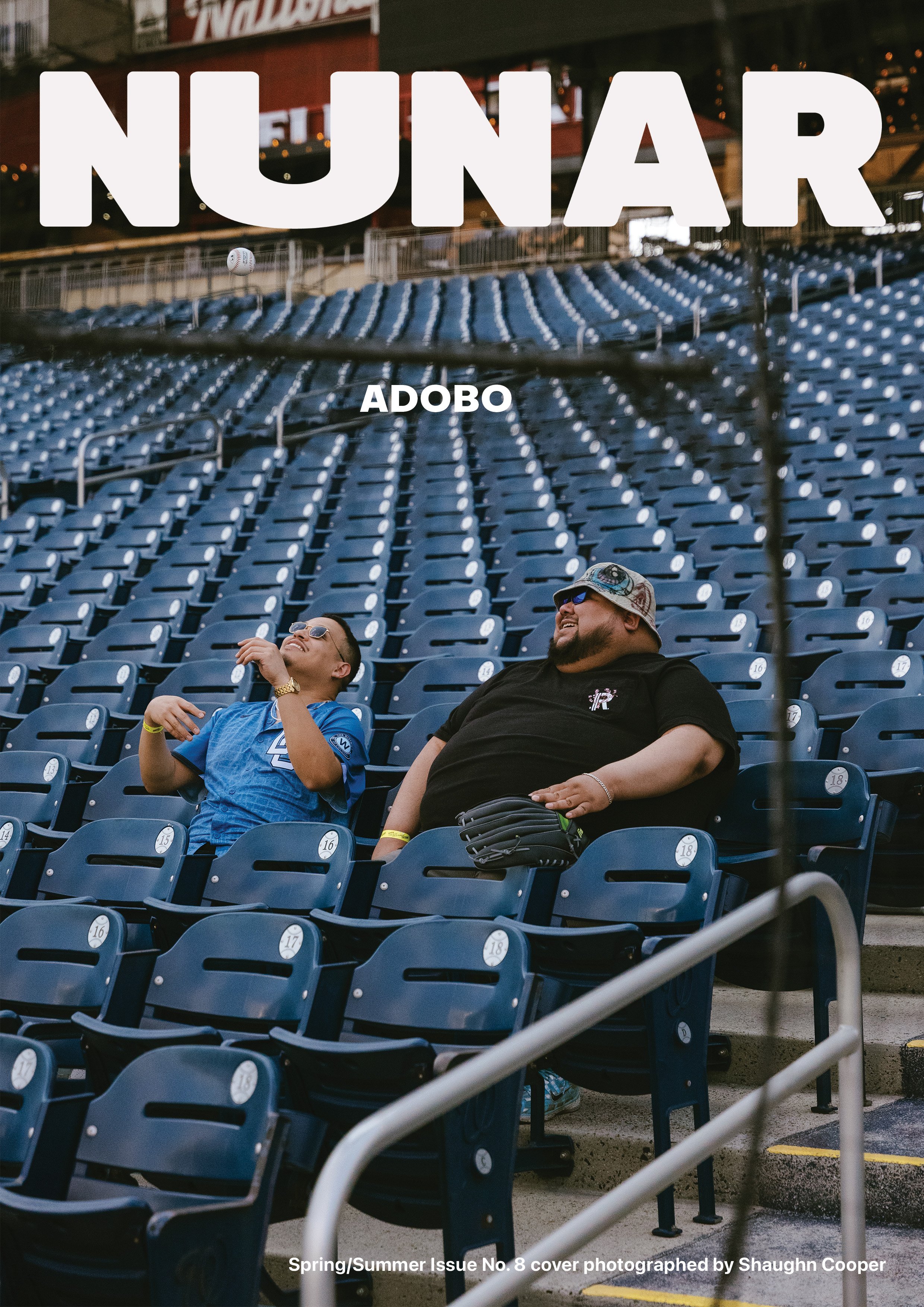
Get the limited-edition print cover featuring ADOBO, in shop now.
When we think of resistance, we first picture the protests, destruction, state violence, and legal battles. But one of the unsung aspects of revolution is joy and the culture that forms around it. Historically, times of heavy resistance led by the new generation have always birthed subcultures, music genres, and underground club scenes. History doesn’t often focus on the creativity of the young and informed during times of injustice, but decade after decade, the generation of the day has left their creative mark of resistance and there are many examples of our collective struggle around the world.
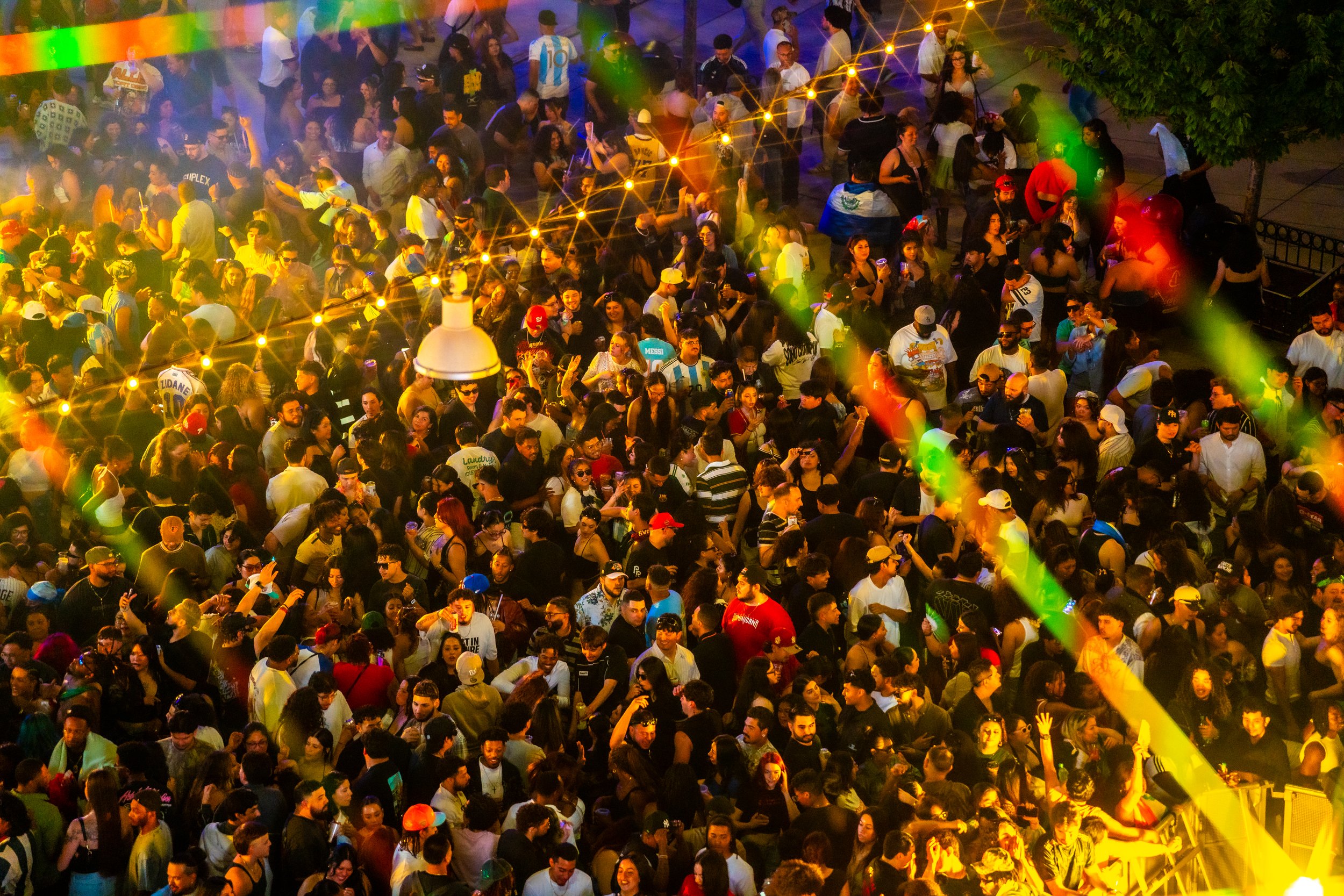
Latin and Caribbean genres like Salsa and Mambo have pro-black and anti-colonialist origins and have been conveying these attitudes through dance since the 1940s in Cuba. In the 60s and 70s, Rock and Roll music was used to express the anti-war and anti-imperialistic views of American youth. Rap music was birthed out of the struggle of Black American youth to be heard, leading Hip-Hop to its purest revolutionary form before the Reaganomics-era co-optation of the cultural movement in the 80’s. Across the pond in the UK, rising anti-fascist attitudes gave rise to Punk music and subcultures. And in a similar fashion, the eruption of the Eastern European rave scene coincided with the fall of the Berlin Wall and gave way to EDM music and the inclusive rave culture we enjoy today. Themes of unity, acceptance, and joyful resistance are what connects these cultural movements despite the surface level separation of race, language, and ethnicity. A current beacon of these themes shines out of the DMV from the multicultural experience that is ADOBO.
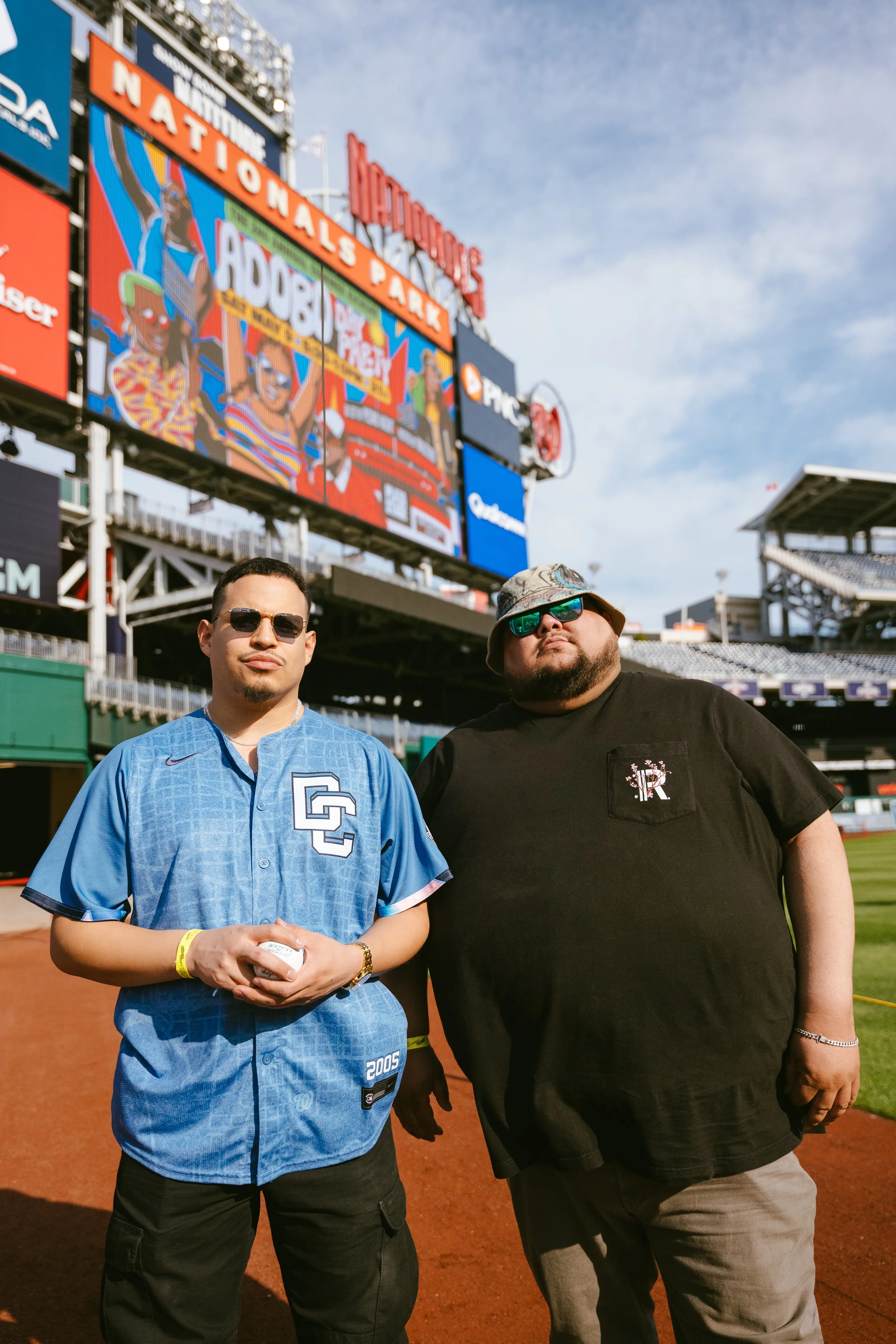
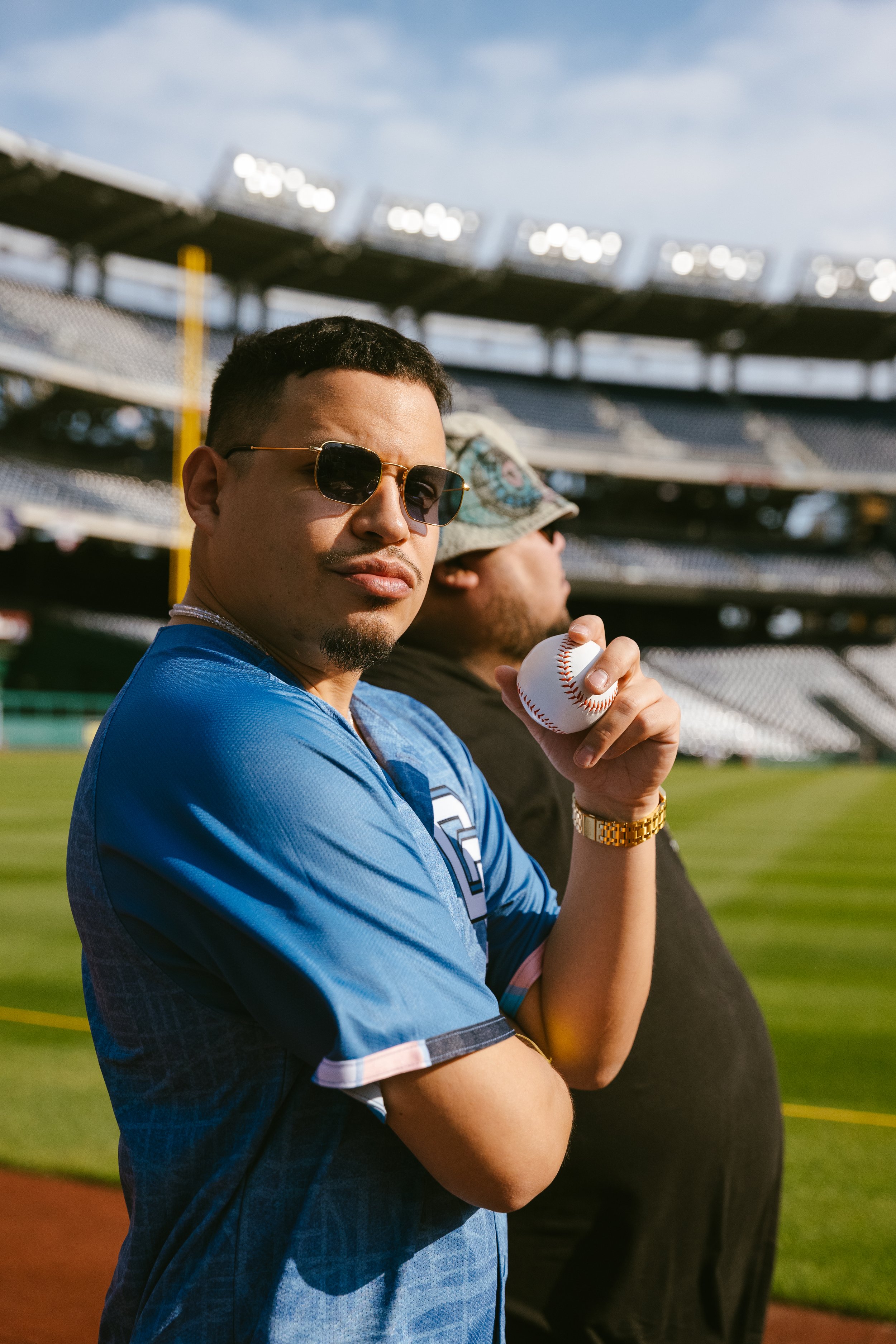

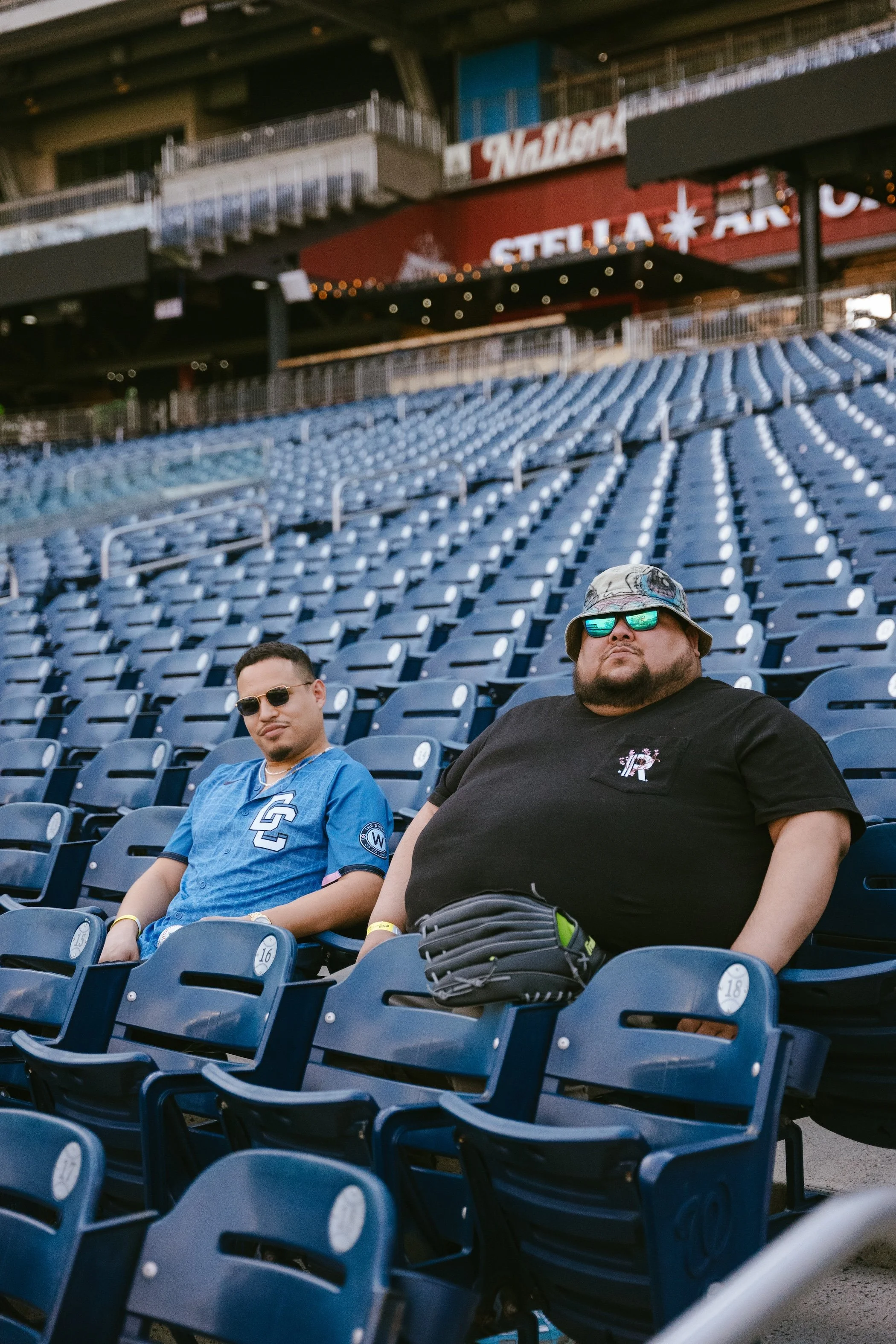
Both growing up in Maryland, co-founders Pedro Night & Waltero started throwing these events in the Summer of 2018. “The D.C. scene was very segregated and we thought it was weird. We wanted to celebrate the diversity of the area. We wanted to create an event that reflects the DMV.” Pedro went on to say that they wanted an event that would include Central and South Americans, Caribbeans, Africans, and Black natives from the area, as well as people of all socio-economic backgrounds. That mission would be perfectly reflected in the name as Waltero explained, “I thought, What about ADOBO? Everybody uses ADOBO!”
Pedro thought it over, “Our target audience is people from Central and South America, Africa, the Caribbean, et cetera. That's a staple in many households, so it was perfect.” During the earlier days, they even went viral for sprinkling ADOBO seasoning into the crowd. While that is no longer a tradition, you might be able to catch some sweet treats if you’re close enough to the DJ booth, where a wide range of dance music will surely be booming.
“We need joy to fight for change. But we need to shift our priority to radical change. Right now there’s too much emphasis on escapism and distraction. It's up to us to bring about that change.”
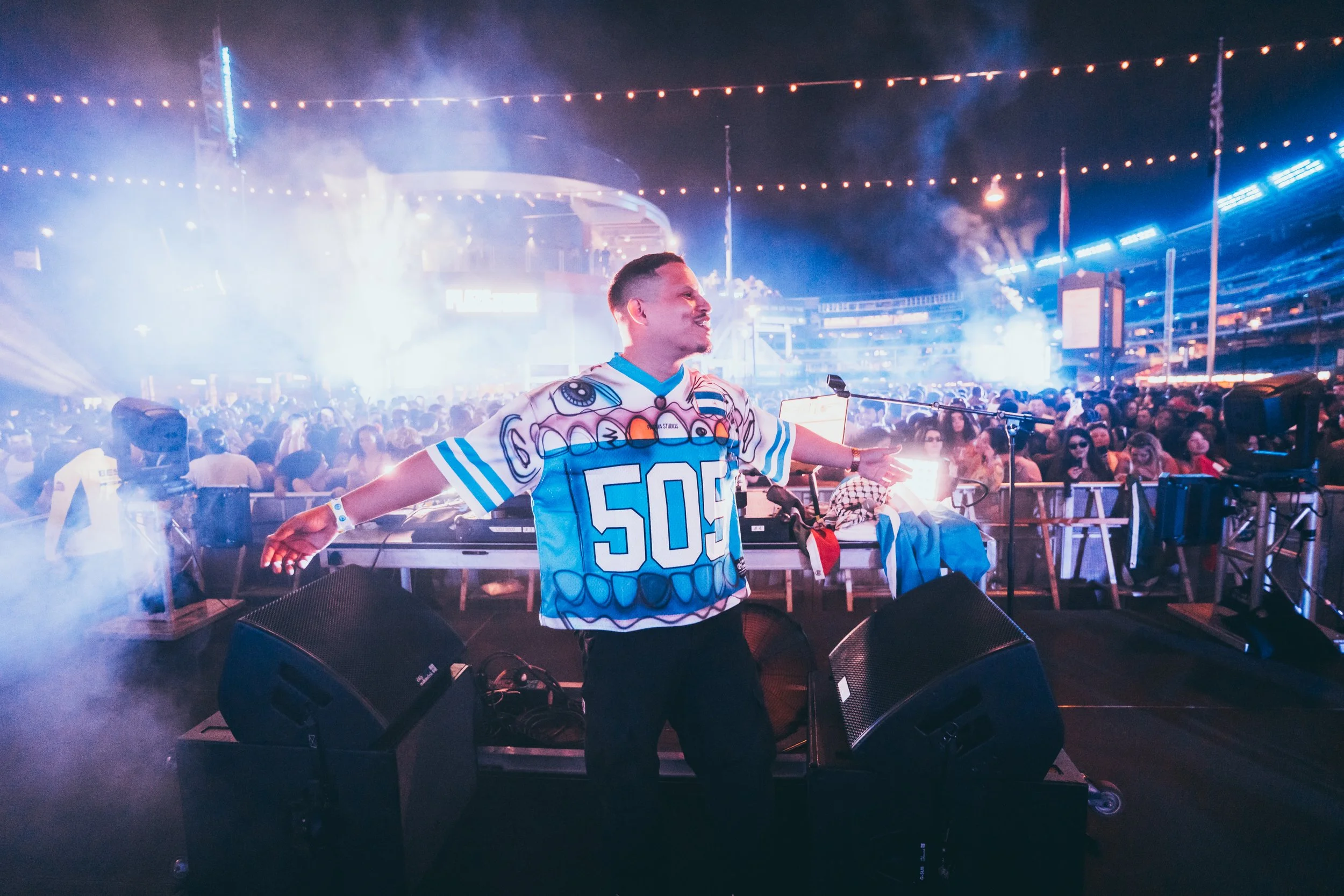
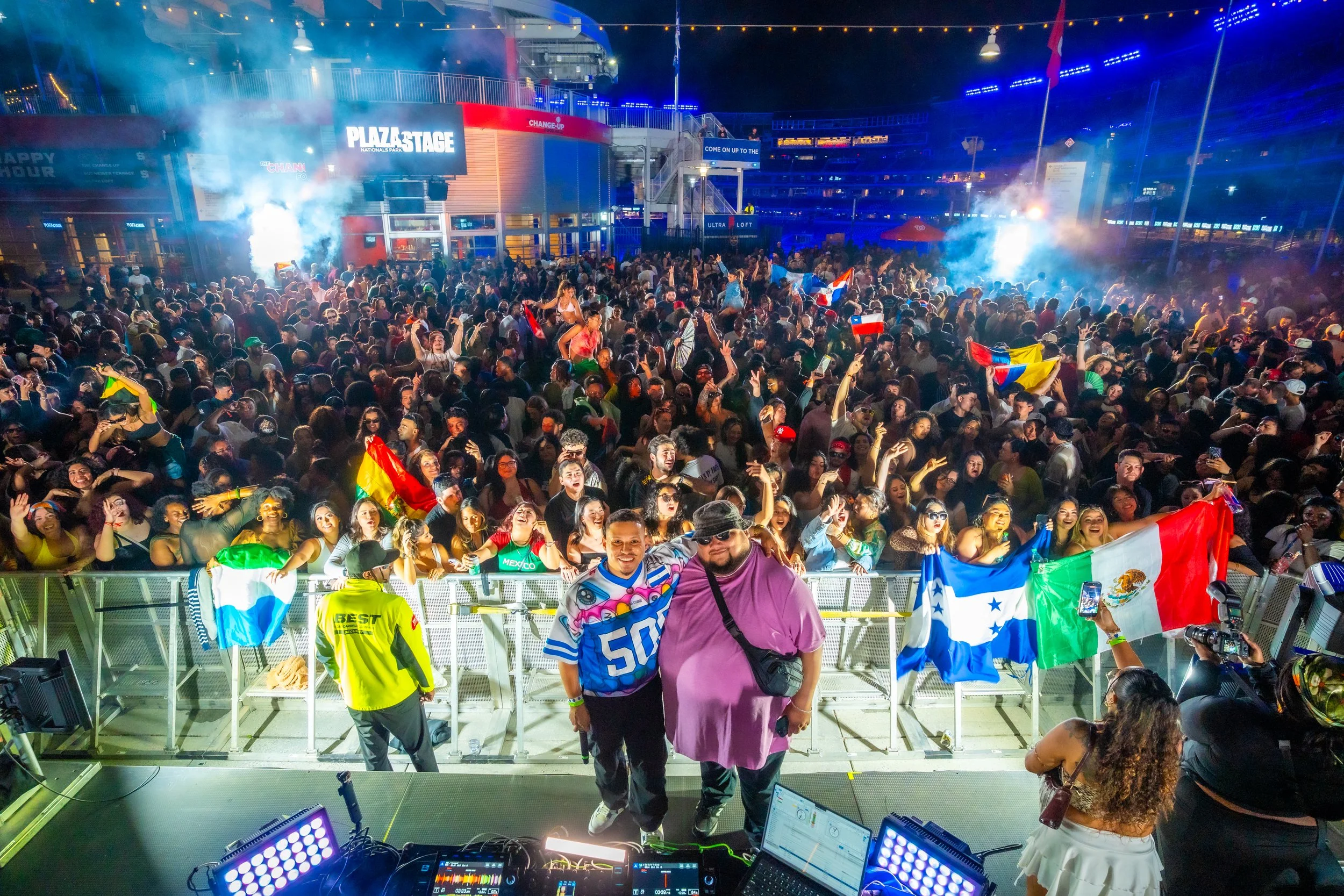
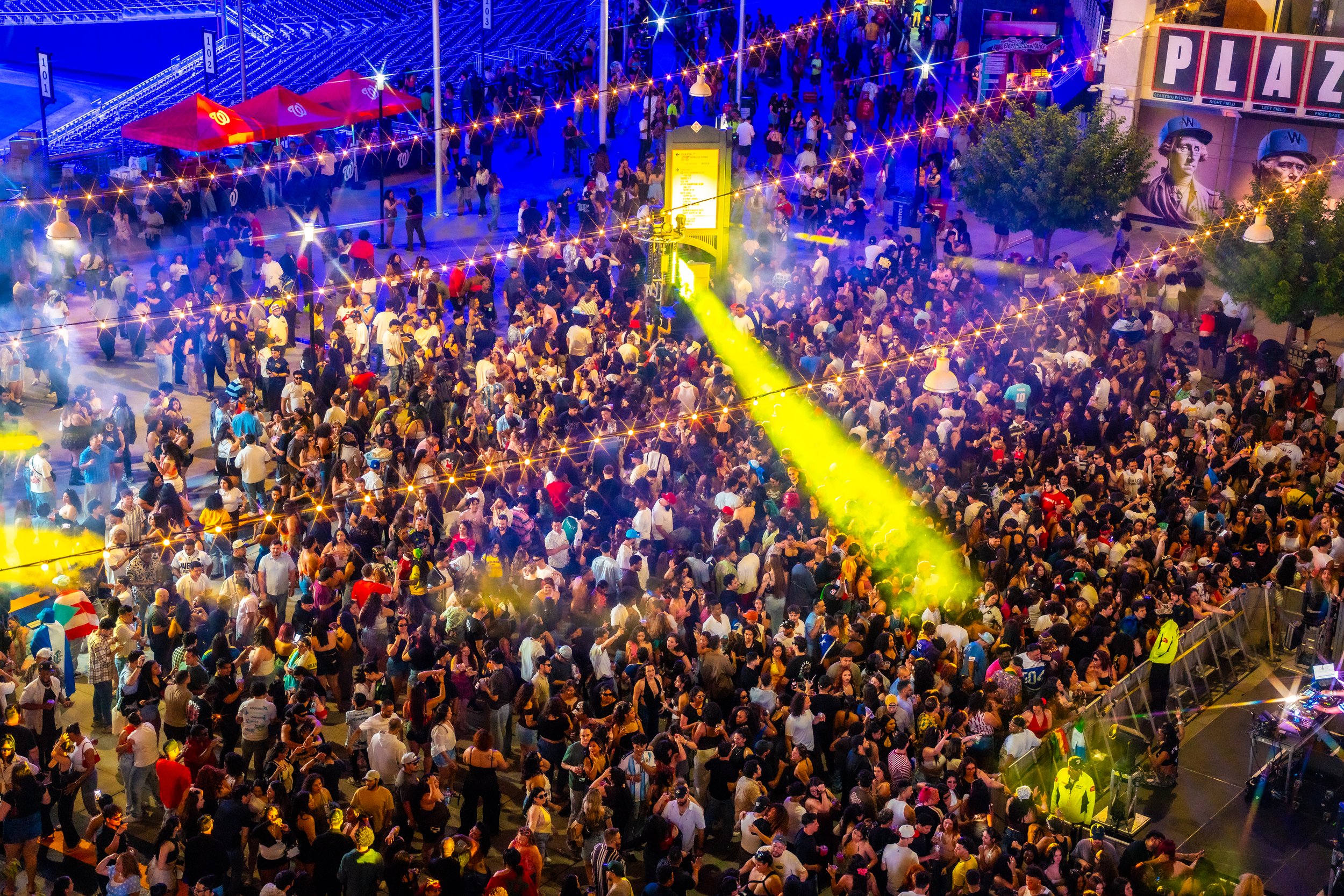
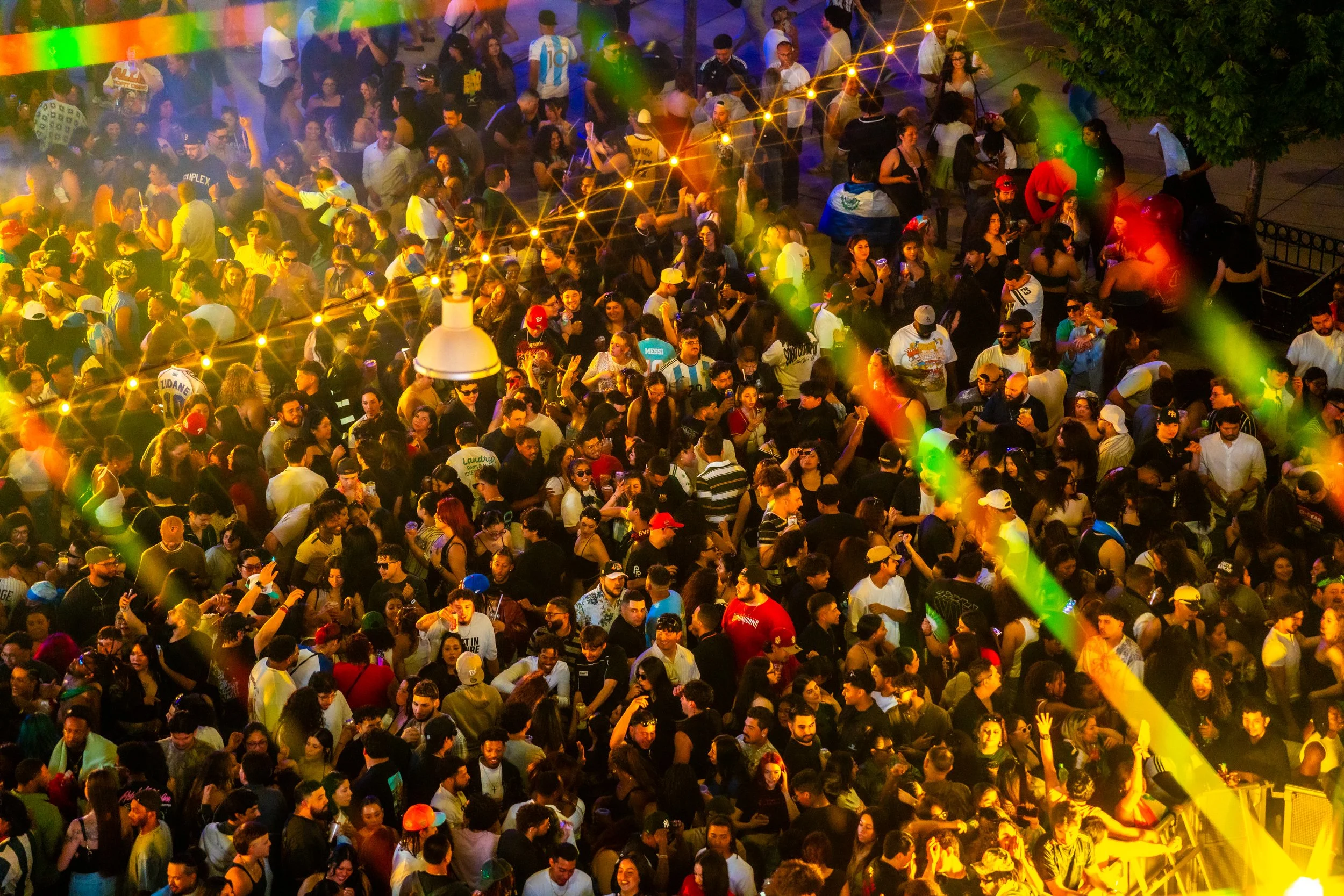
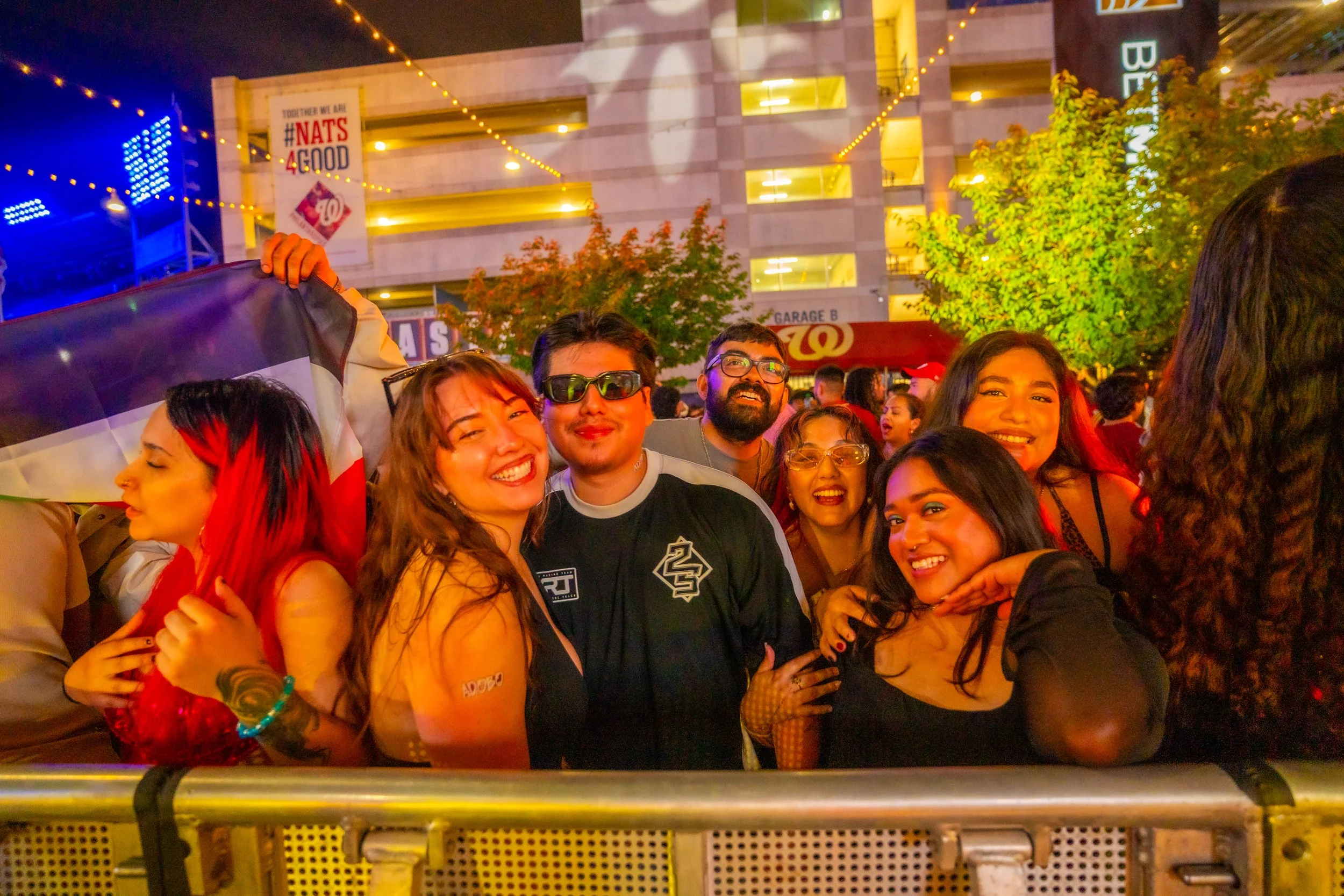
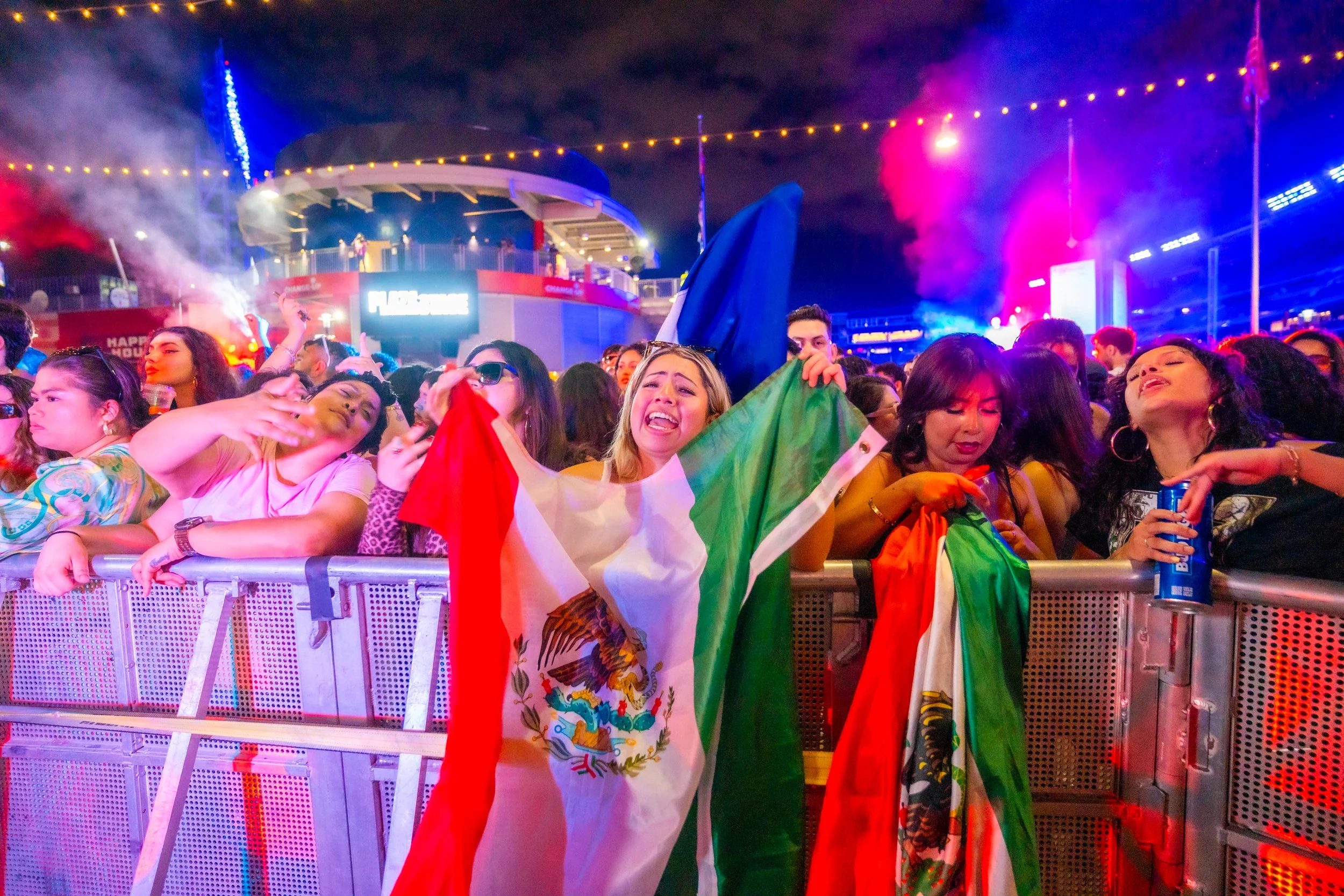
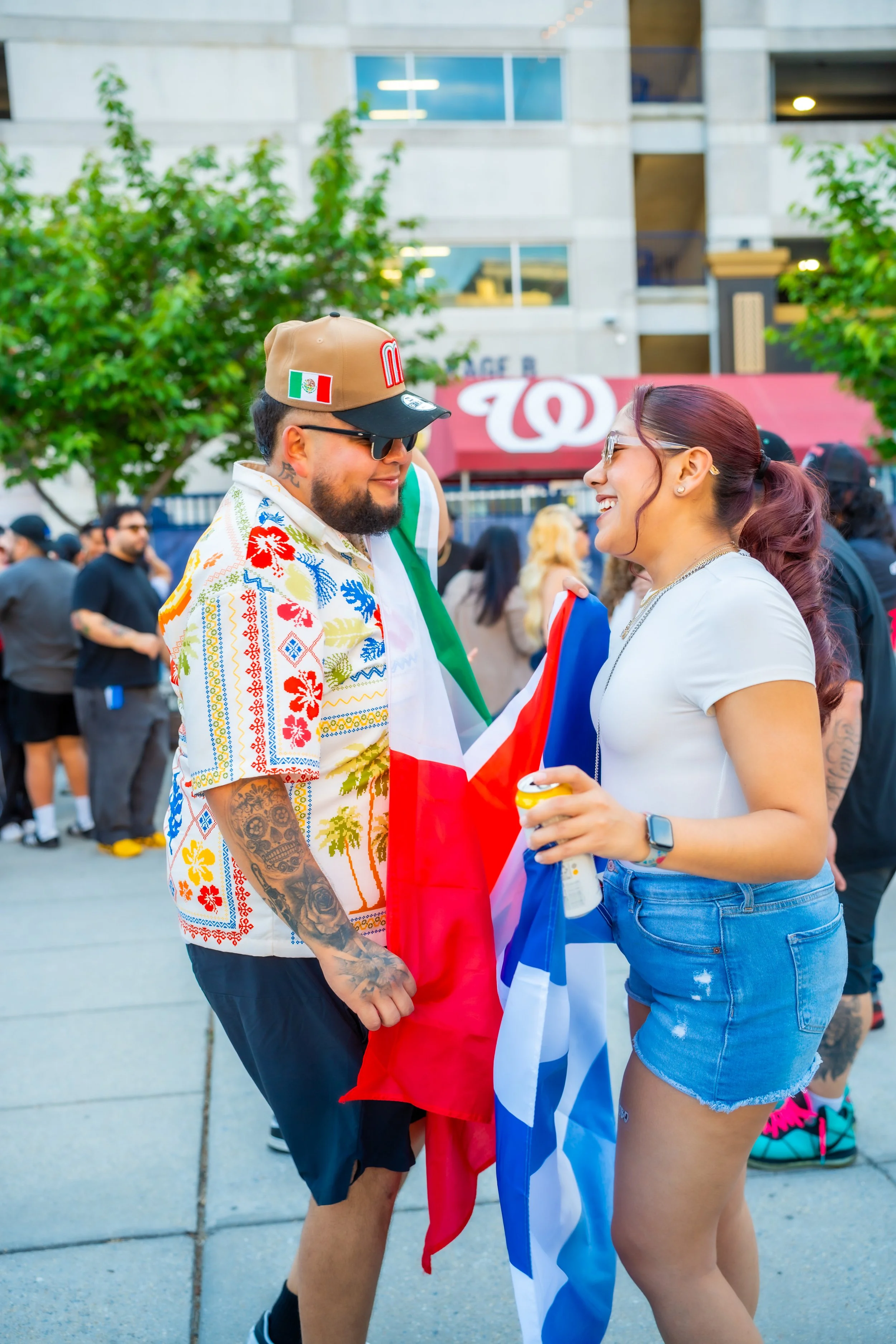
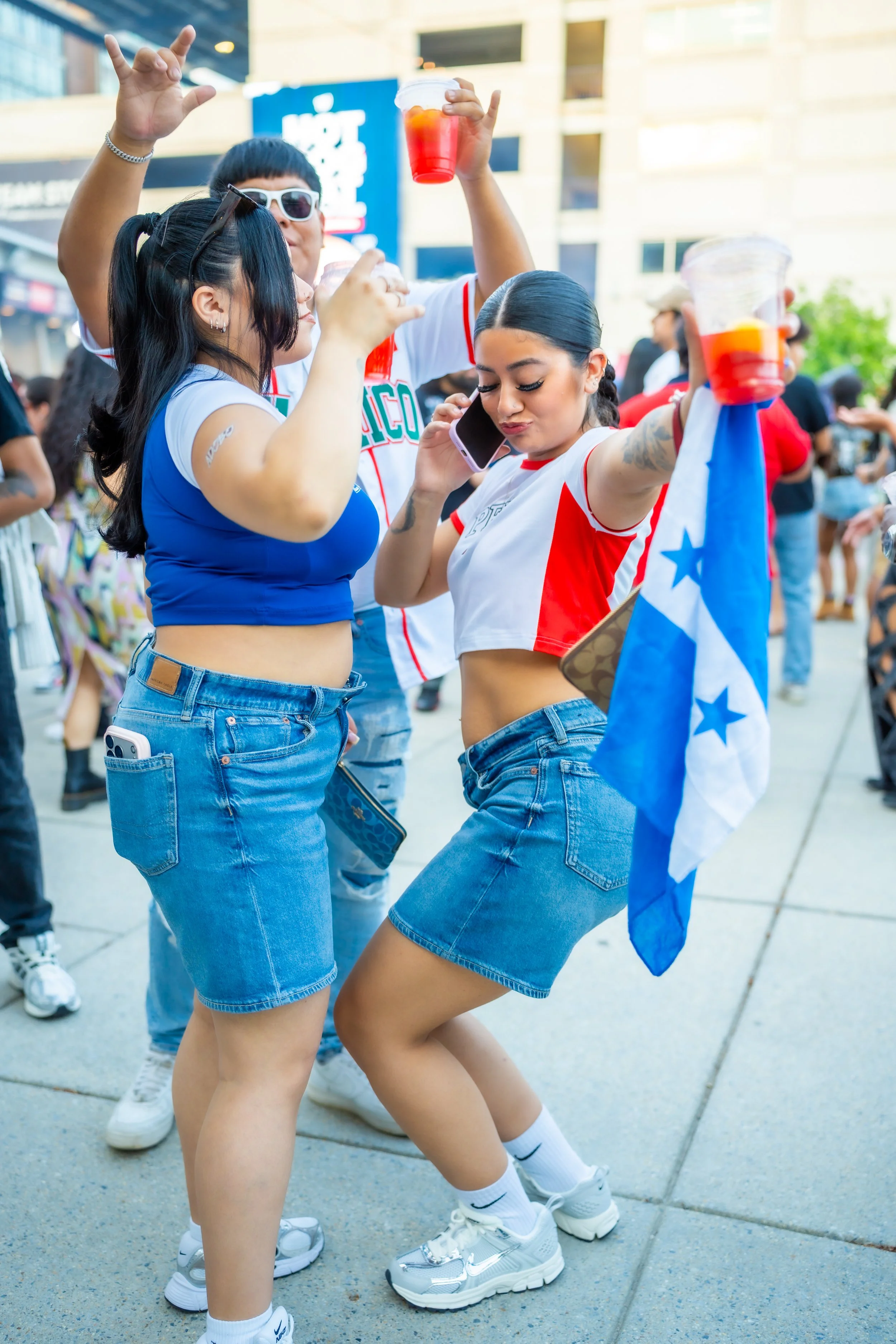
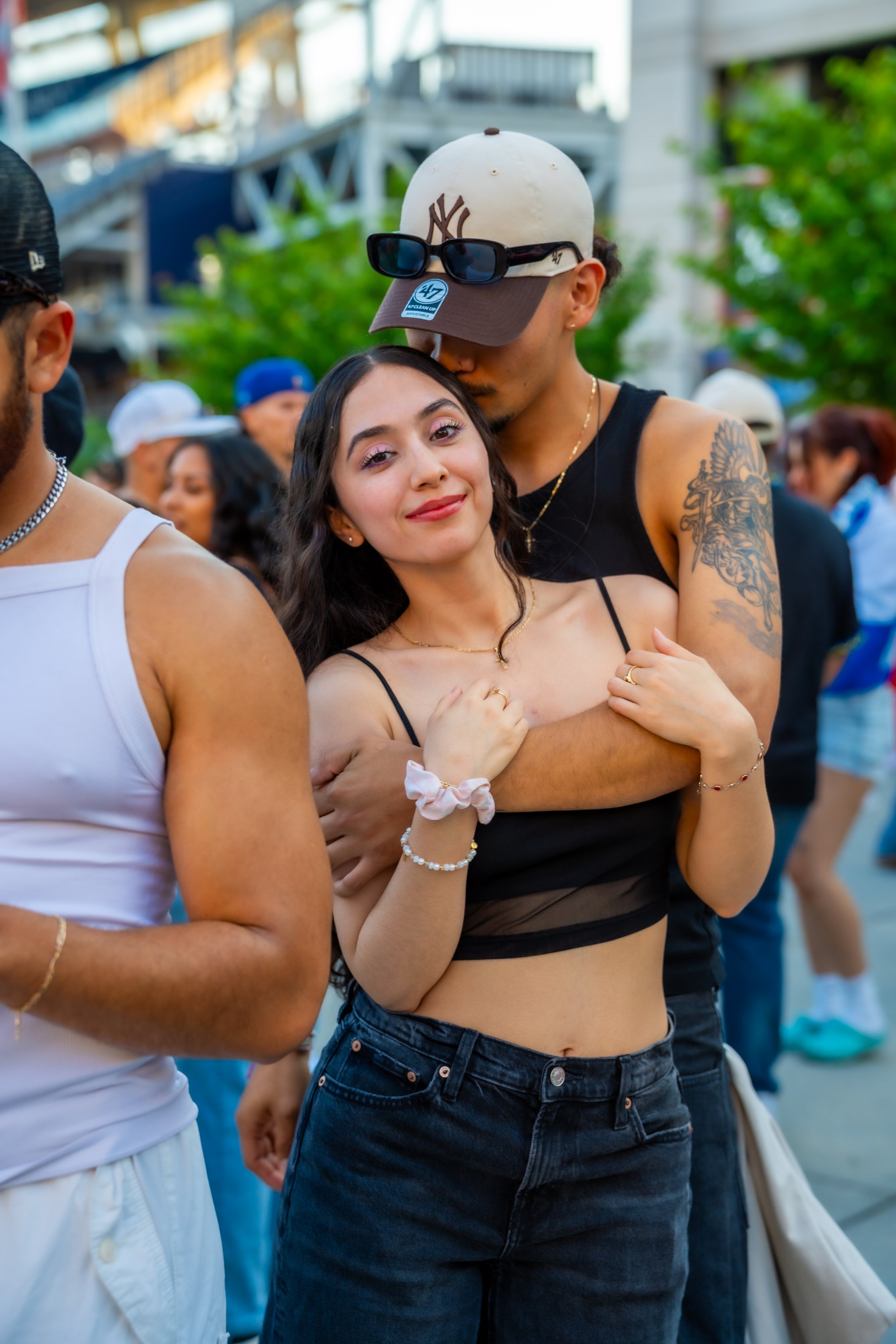
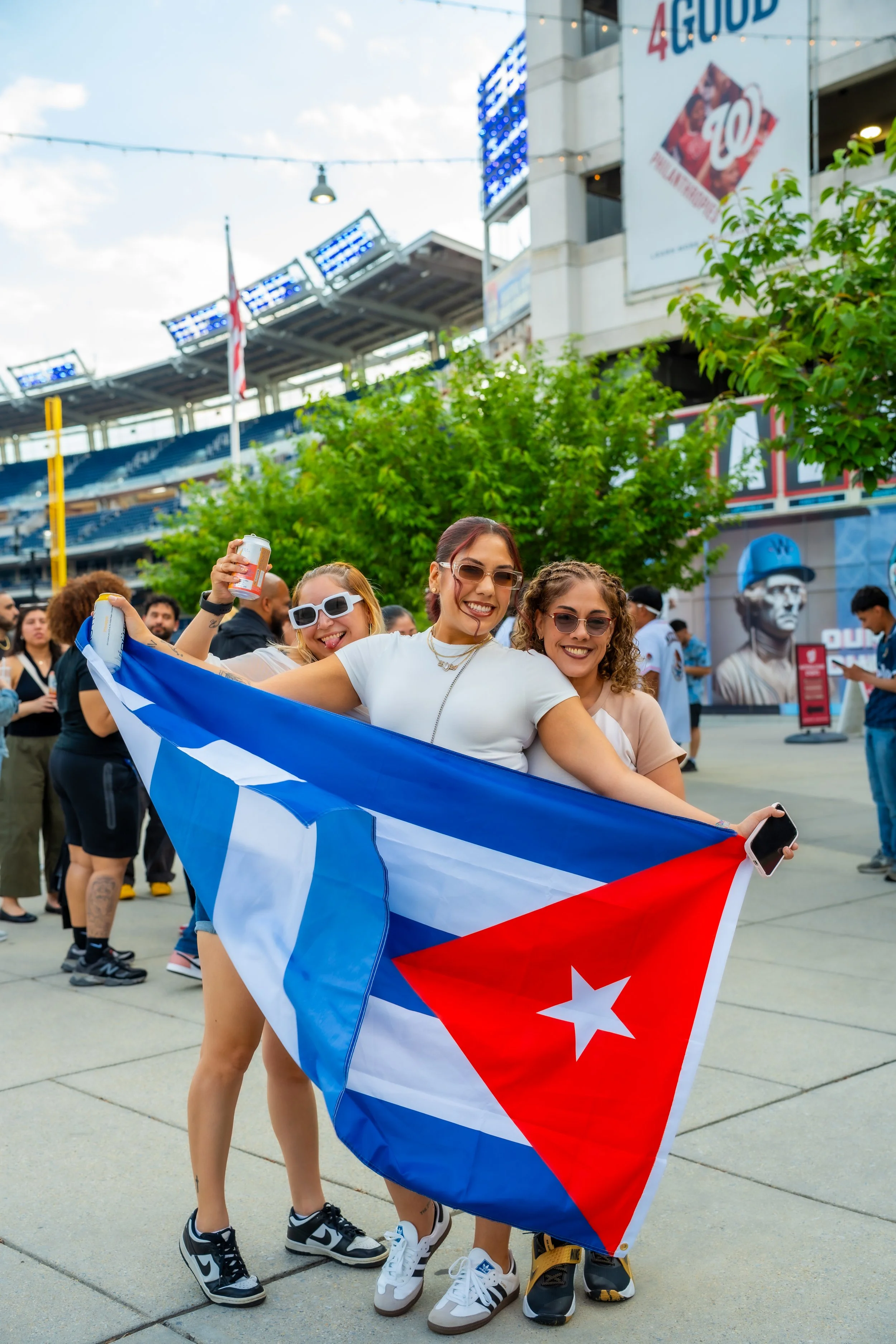
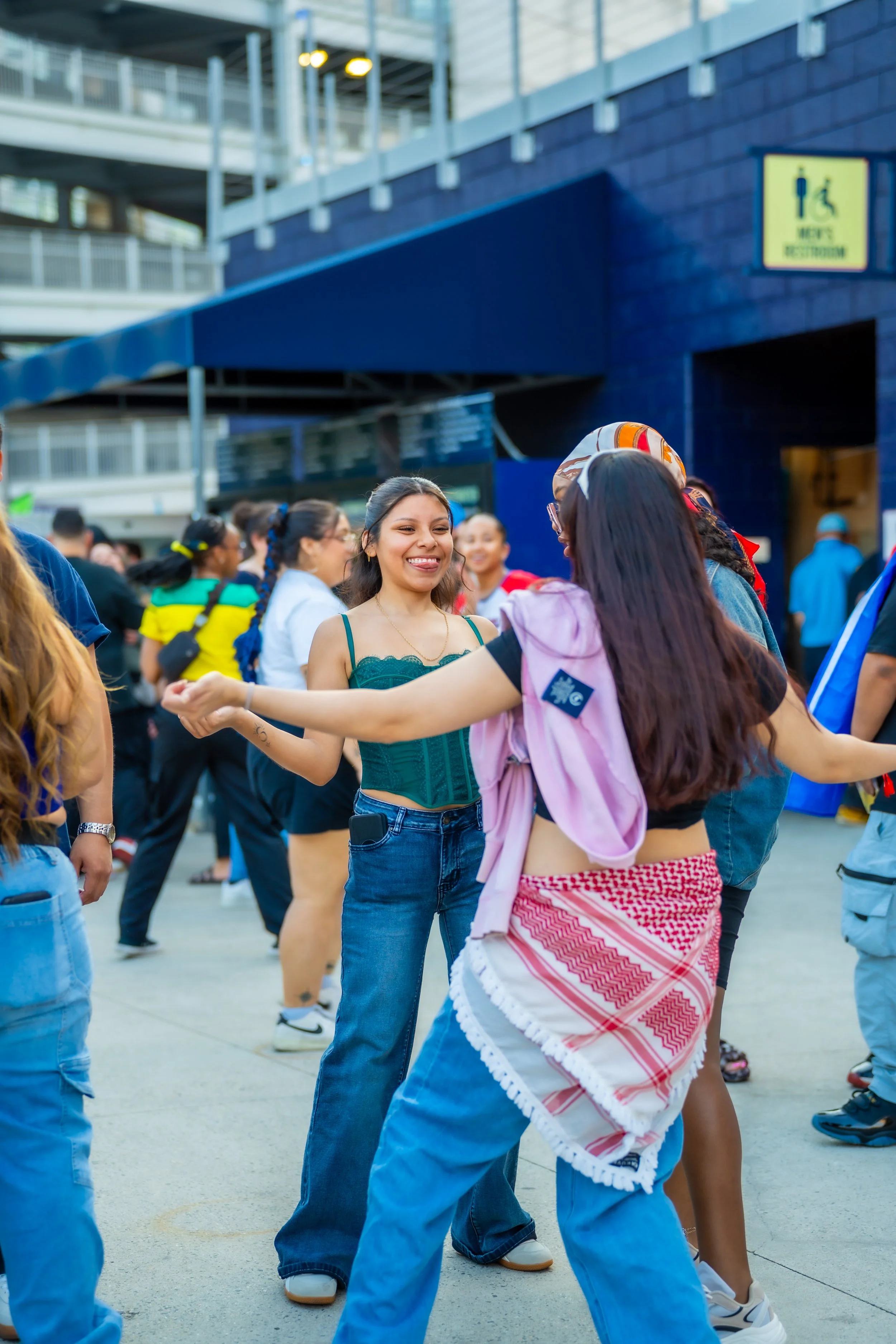
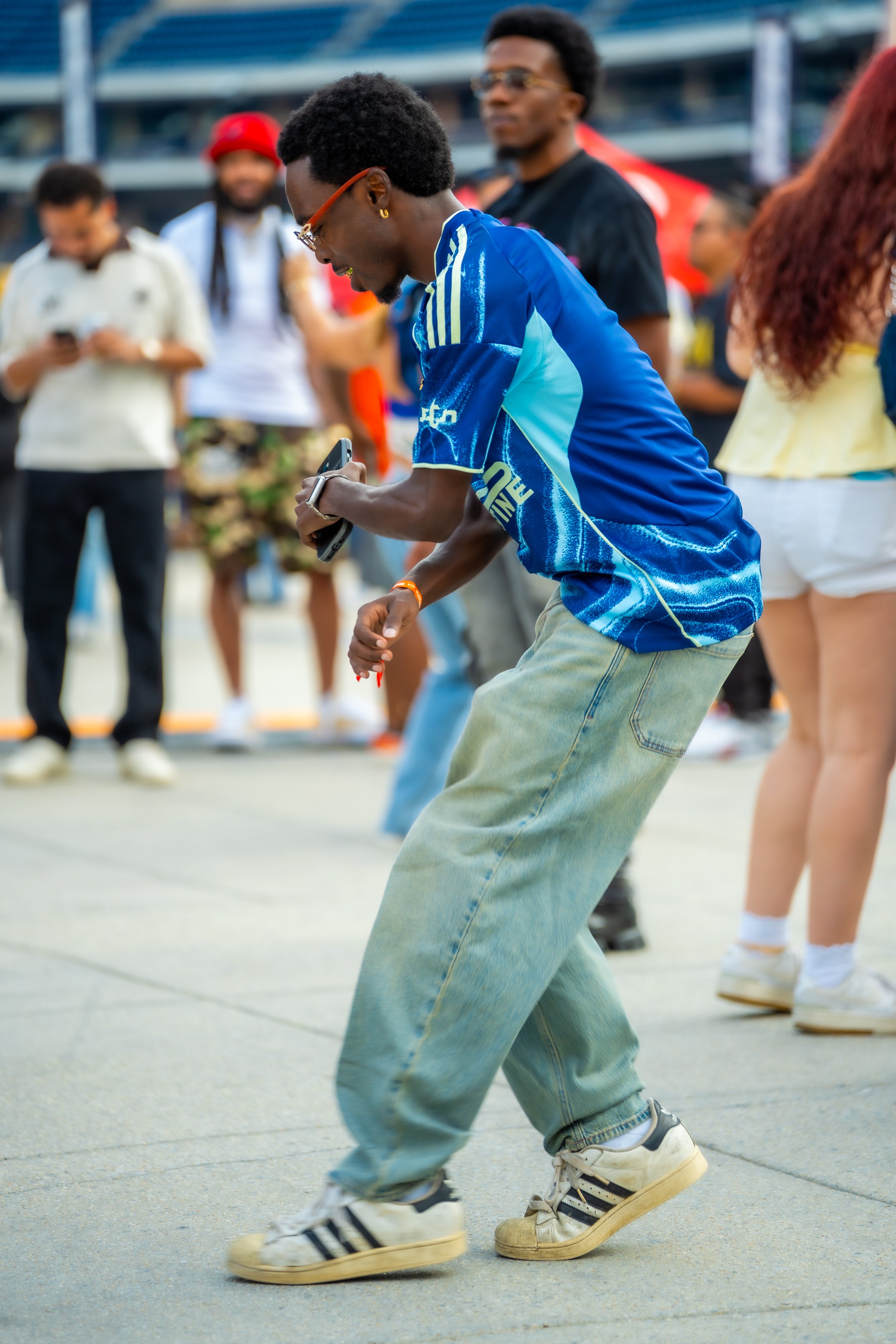
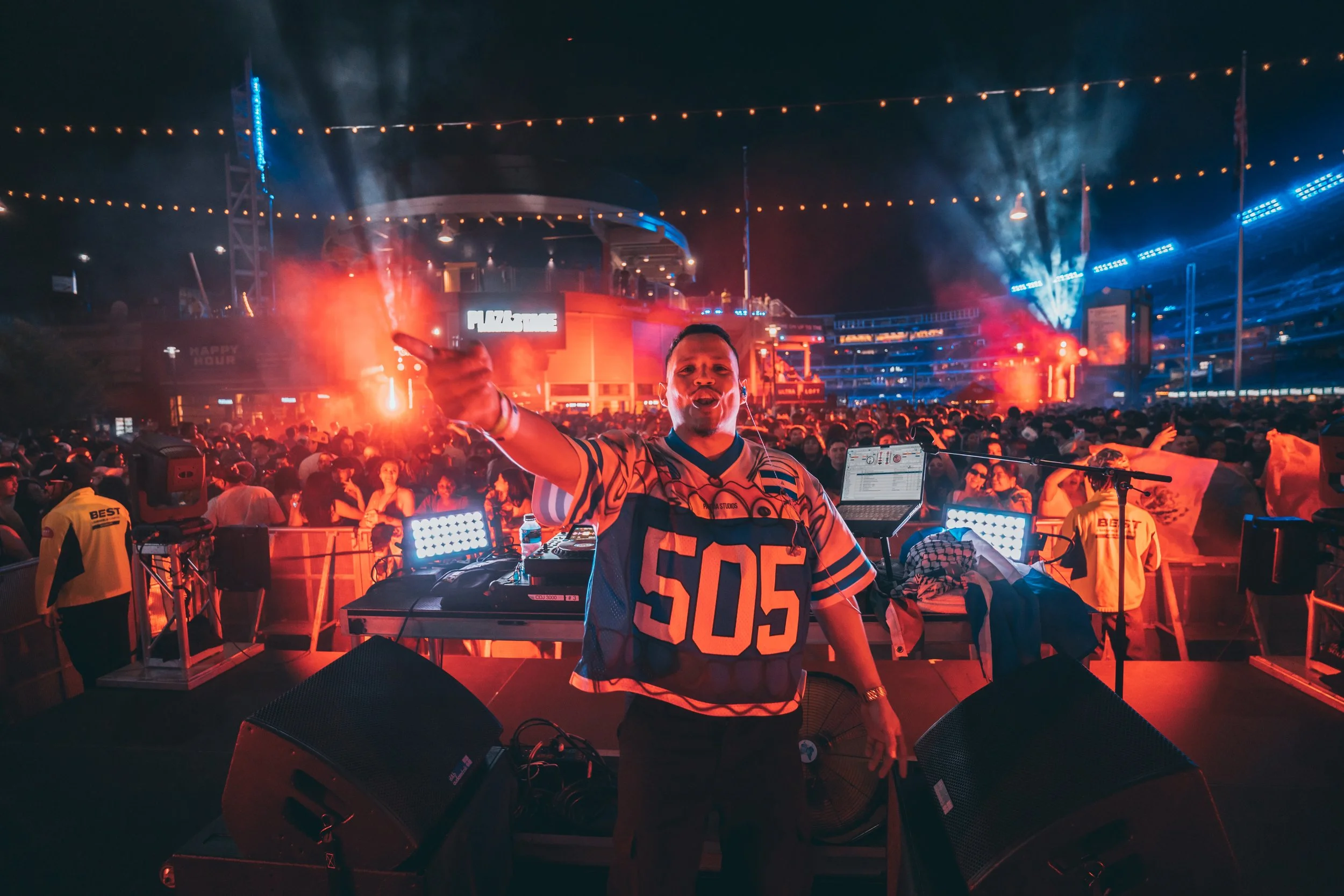
In our interview, Pedro explained that his passion for music was what originally got him interested in the entertainment space and starting ADOBO. The Nicaraguan DJ’s eclectic tastes and crowd-pleasing instincts create the perfect atmosphere for people of all backgrounds to feel included in the fun. From Reggaeton, to R&B, to Dancehall and much more, Pedro’s wide range of diasporic music truly makes the event a cultural melting pot, representative of the people in the DMV area.
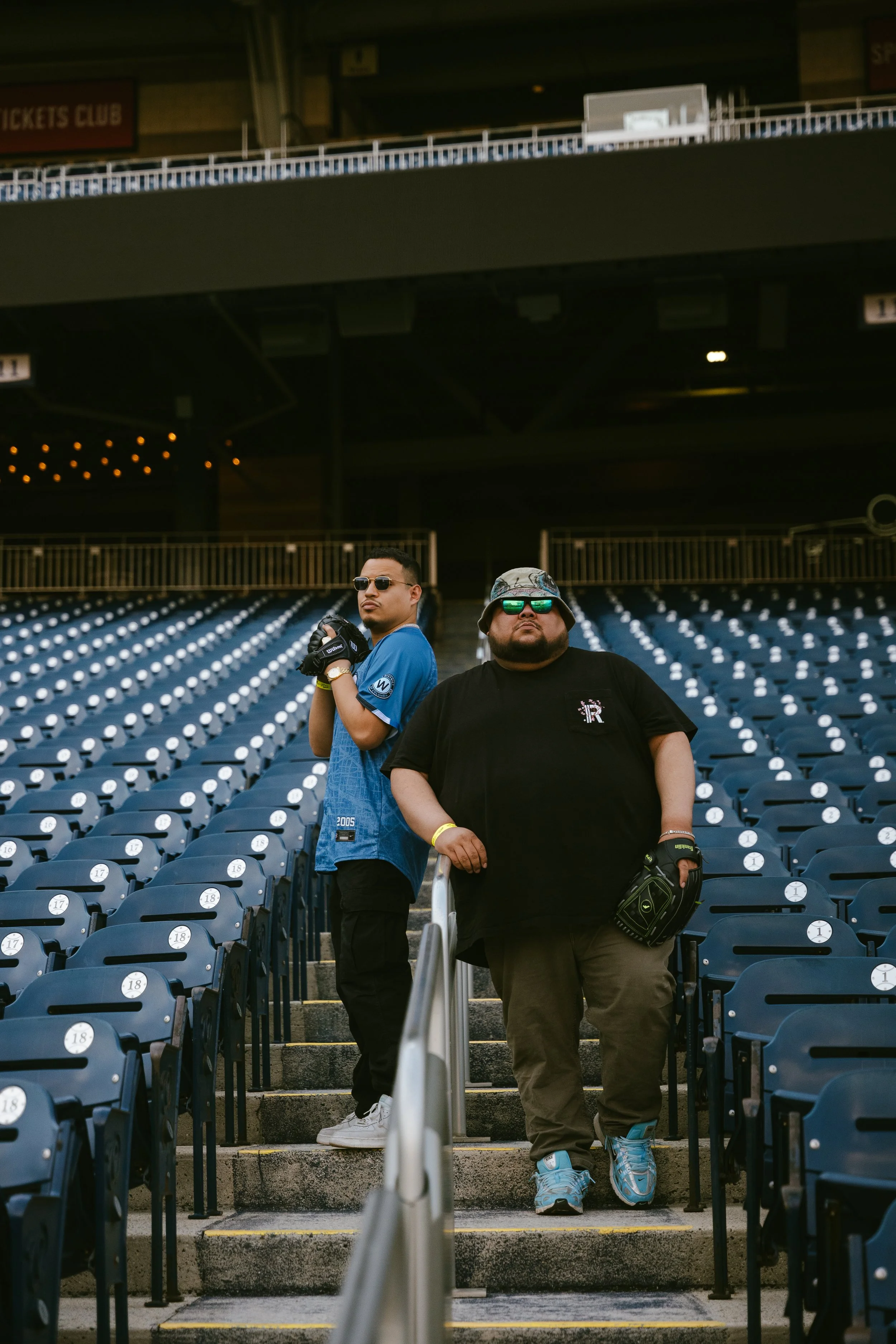
While the Central & South American, Caribbean, and African diasporas are represented in the music at ADOBO, they also don’t shy away from addressing our collective political challenges in their symbolism and when hyping up the crowd. At any point in the night, Pedro and Waltero can be heard leading chants against I.C.E. or holding up revolutionary flags and imagery. When asked if ADOBO has always been political, the answer was an instant yes. “We’ve always been political. A lot of us are here because of U.S. imperialism. So, it's nothing for me to yell ‘From the River to the Sea, Palestine will be free,’ or wear a keffiyeh.” One event in particular happened to fall on Pedro’s birthday, and they celebrated with a piñata made in the President’s image, which was met with overwhelming cheers and applause from the crowd. It is gestures like these that make ADOBO a lighthearted and politically affirming place to be, but the event’s political nature goes beyond symbolism.
“We’ve protested and advocated on behalf of the undocumented community as well as for LGBTQ rights, women’s rights, and reproductive rights. We also stood with our Black brothers and sisters in 2020.” Waltero and Pedro also organized a fundraising event at Shanklin Hall in 2024 where the drink proceeds went to Palestine.
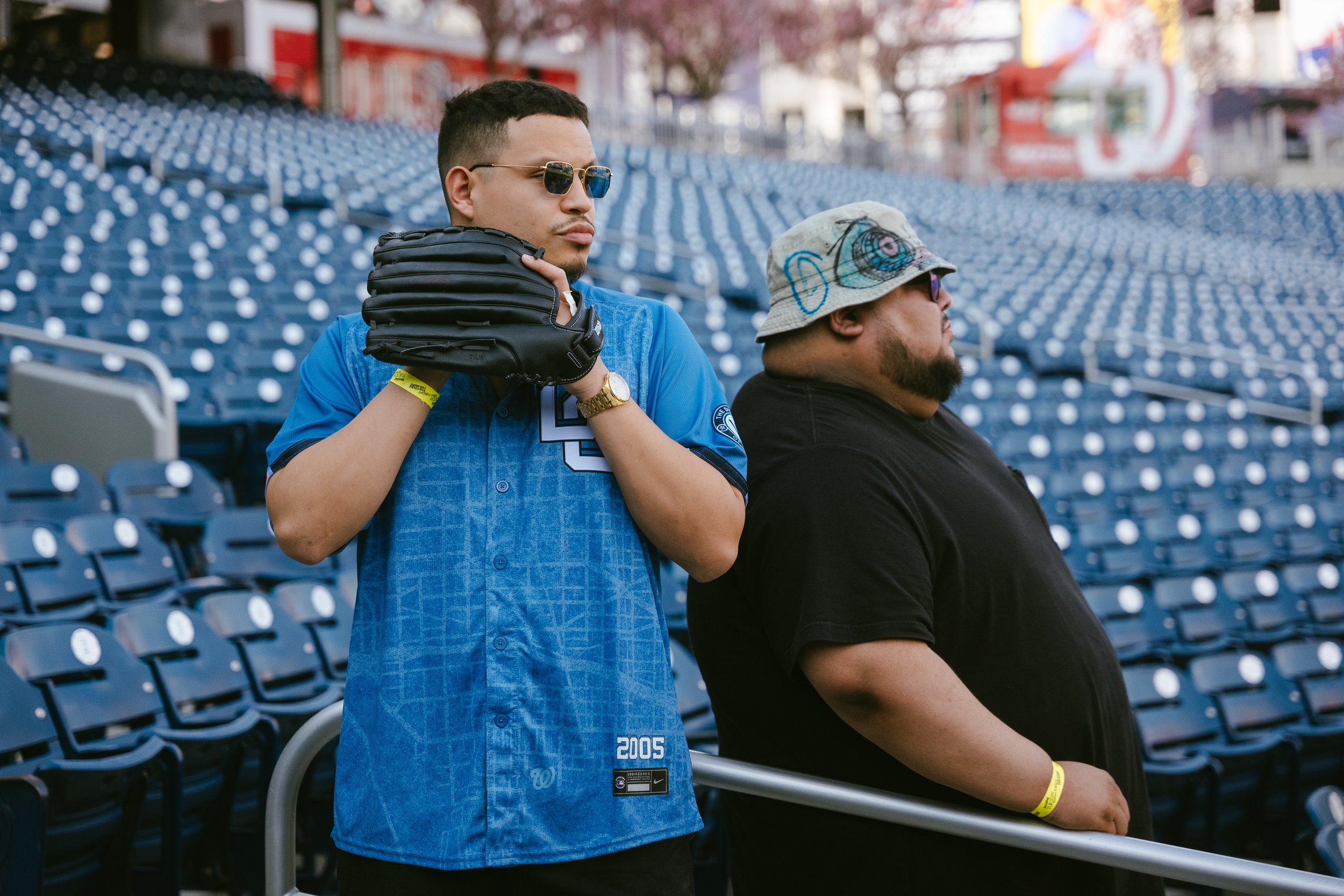
The enjoyment that ADOBO provides is also backed up by action. They pour into us so we can pour into our communities, and that is the aspect of radical joy that has been overlooked and erased from Toi Derricotte’s original meaning. Self-care is only self-serving if we do nothing with the energy we gain from it. ADOBO’s mission is certainly in agreement with this philosophy, as when asked his thoughts on radical joy and the goal of the organization, Pedro responded with this. “I recently learned that the word radical comes from the Latin word for root, ‘radix’ and figuratively, it came to mean fundamental or essential, and joy is definitely fundamental to our survival. We need joy to fight for change. But we need to shift our priority to radical change. Right now, there’s too much emphasis on escapism and distraction. It's up to us to bring about that change. No one’s coming to save us… Our goal hasn’t shifted, it's still to bring everybody together and break down the walls that the oppressors use to divide us.”